Act Immediately to Prevent Heat Related Deaths
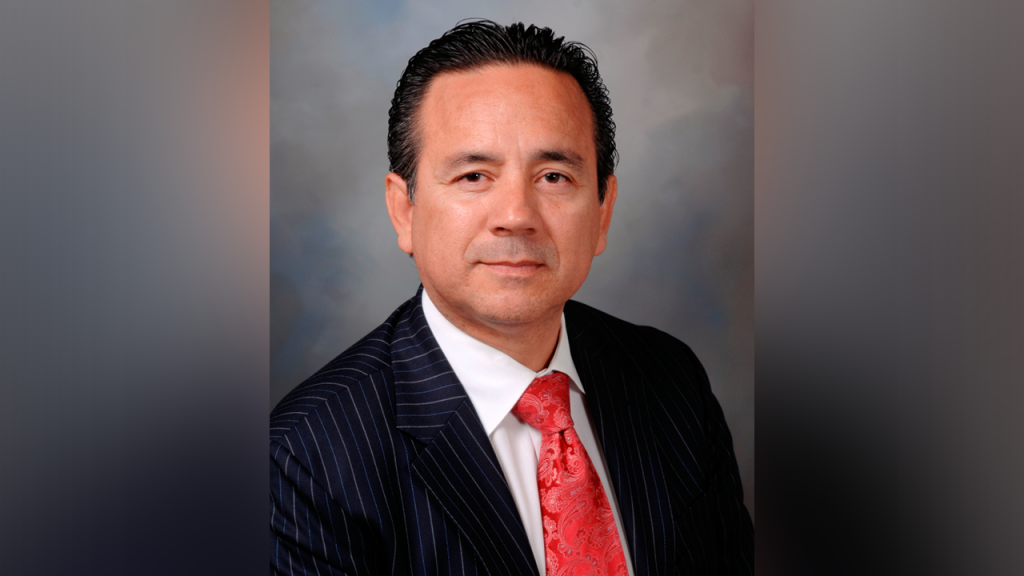
By: State Senator Carlos Uresti
The temperature in a motor vehicle can rise quickly during the summer, reaching temperatures up to 130 degrees within an hour. Unfortunately, with our intense heat, Texas leads the nation in hot car deaths with 55 children tragically passing since 2010. This year there have been a number of high profile cases where children who were stuck in hot motor vehicles passed away from heat stroke. Parents and communities can prevent these deaths by reminding busy parents about the hazards of hot vehicles and taking quick action if you believe a child is in danger.
Recently, Governor Greg Abbott signed a bill I sponsored, House Bill 478, which removes the civil liability from a person who acts to remove a vulnerable individual, such as a child who is in imminent danger, from a hot motor vehicle. Current law already protects Good Samaritans from criminal charges if they remove a child in imminent danger from a motor vehicle. However, House Bill 478 goes even further to ensure that Good Samaritans are not sued if they act to rescue a child or vulnerable individual, at a time when every second counts.
A hot car is not the only time a person is in danger of a heat stroke. Heat stroke can occur when a person has too much exposure to high temperatures or intense physical activity. The most common early symptoms of heatstroke are nausea and headache. If you are outside and begin to feel faint, sick to your stomach, or dizzy, you need to stop what you are doing find some shade and a fan or air conditioning quickly.
Preventing heat stroke is fairly straightforward. Try to limit the amount of time you spend outside or physically active during the hottest parts of the day, stay hydrated, and wear lightweight and light color clothing. When both the temperature and humidity are high, premixed drinks and powders such as Gatorade will help to keep your electrolyte levels up.
While heat stroke is most dangerous for elderly individuals, adults― particularly those who work in construction, as roofers, or out in the oil and natural gas fields― are vulnerable. There are no statewide policies, and only the cities of Austin and Dallas require construction companies to provide employees with brief cool-down breaks every four hours.
During the 85th Legislative Session, legislation was filed to expand the same break policy statewide. The bills did not survive the legislative session, but local leaders and city councils may work with their constituents to come up with similar proposals on their own.
Texas has for years been the national leader in workplace deaths with more than 500 fatalities occurring every year. While workplace fatalities will never be completely avoided, we can prevent many of these fatalities with safety plans and reasonable accommodations for employees. In regards to heat stroke and heat-related illnesses, periodic breaks, easy access to water with electrolytes, smarter scheduling, and employee education could bring the number of injuries and fatalities down.
Every Texas summer is hot, and this summer will be no different. Planning for the heat and recognizing the onset of a heat-related illness can avoid a tragic outcome. Above all, we must act as a community to increase awareness of hot car deaths and heat stroke, and act immediately if we come across a person or child in danger.
Sen. Uresti represents Senate District 19, which covers more than 35,000 square miles and contains all or part of 17 counties, two international ports of entry, eleven state parks, 51 school districts, 2700 miles of highways, and more than 23,000 producing oil and gas wells in both the Eagle Ford Shale and Permian Basin. The district is larger than 12 states and 82 Nations, and contains over one third of the Texas-Mexico border. Sen. Uresti is proud to serve on the Finance, Health & Human Services, Education, and Veteran Affairs & Border Security Committees.