OPINION: Four International Bridges and No. 1 Inland Port Have Not Eliminated Poverty in Webb County, Lesson for Maverick County
By Jose G. Landa, Copyright 2026 Eagle Pass Business Journal, Inc.
LAREDO, Texas — Webb County stands as one of the most important international trade gateways in the United States and North America, supported by four vehicular international bridges, extensive highway networks, customs facilities, warehouses, trucking companies and other infrastructure designed to move billions of dollars in commerce across the border. It also has powerful political leaders in local, county, state, and federal government levels.
Yet despite decades of international bridge development and continuing growth in international trade, a large portion of the county’s population continues living in poverty or depending on government food assistance.
The latest estimates place Webb County’s population at 281,224 residents. According to the U.S. Census Bureau, 20.6 percent of its residents live below the federal poverty level.
That is approximately one out of every five people and about twice the national poverty rate of 10.2 percent.
Webb County also has an estimated 66,000 to 68,000 residents who receive or depend on Supplemental Nutrition Assistance Program benefits, commonly known as SNAP. That represents nearly one-fourth of the county’s population.
Approximately 24 percent of Webb County households receive SNAP assistance, according to figures cited by local officials and food-assistance organizations.
The numbers present a sobering contrast between the enormous international trade value of the merchandise passing through the region and the economic conditions experienced by many of the people who live in Webb County.
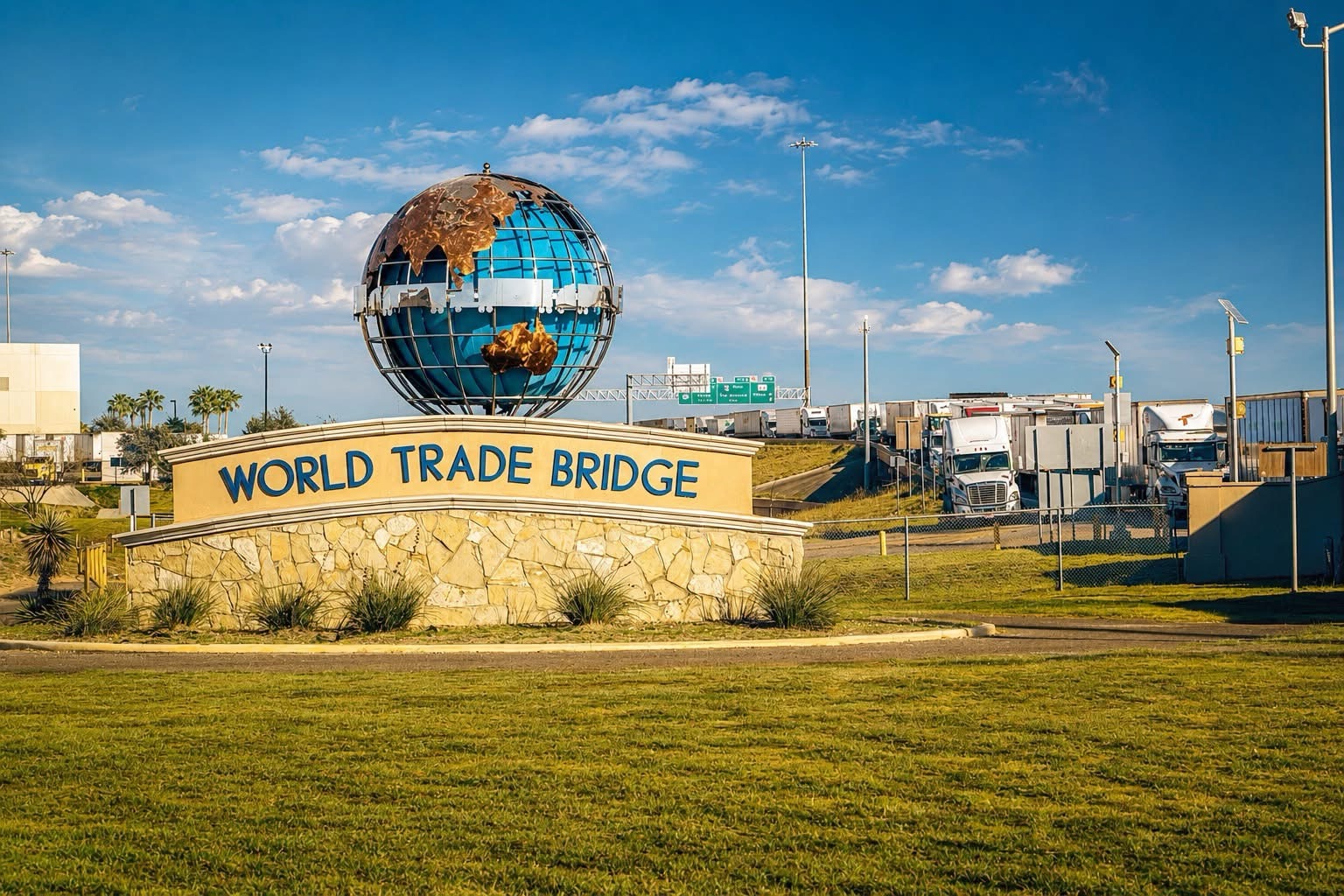
Laredo’s international bridge system includes the Gateway to the Americas International Bridge, the Juárez-Lincoln International Bridge, the World Trade Bridge and the Colombia-Solidarity International Bridge.
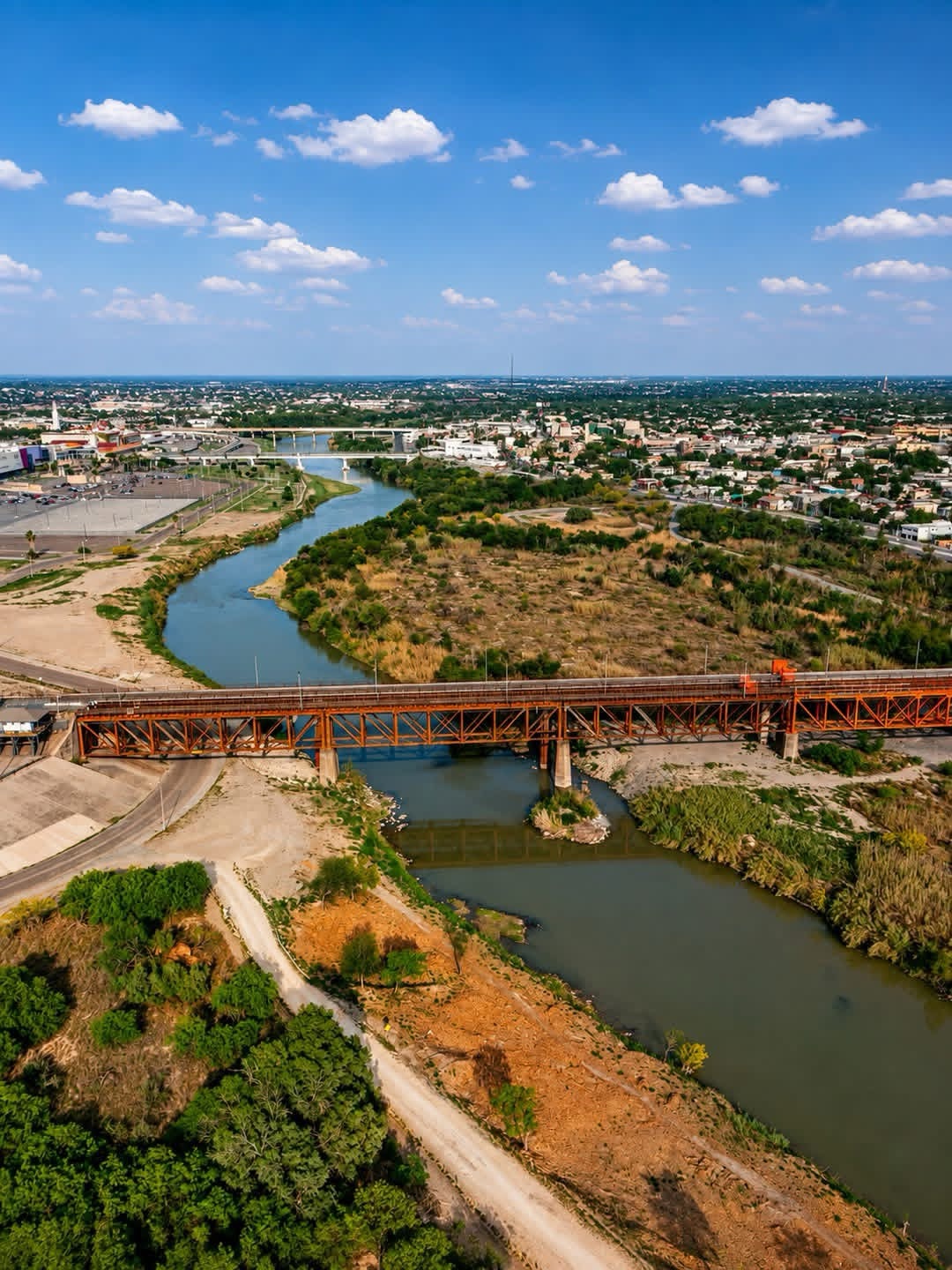
The region also benefits from an international railroad bridge, rail traffic, interstate highway, a sprawling warehousing and logistics infrastructure that has made it one of the country’s leading inland ports.
Those facilities generate toll revenues, support international commerce and create employment in the community.
However, Webb County’s continuing high poverty rate demonstrates that international bridges alone do not guarantee widespread economic and personal prosperity to all residents in the county.
A bridge can move trucks and merchandise, but it cannot independently educate a workforce, increase wages, construct affordable housing, recruit physicians, improve public health or guarantee that local residents receive the jobs and financial benefits being promised by public leaders and private investors.
Webb County’s per-capita income was reported at $24,920, compared with $44,673 nationally.
The difference indicates that economic activity moving through a community does not necessarily remain in that community or reach every resident or family.
The figures do not mean that Webb County’s international bridges have provided no economic benefits. International trade remains essential to Laredo and supports thousands of jobs throughout the region. However, the poverty and SNAP numbers challenge the argument that constructing additional international bridges automatically transforms the economic lives of local residents.
Infrastructure can be part of an economic-development strategy, but it cannot serve as the entire strategy.
Meaningful poverty reduction also requires workforce training, educational opportunities, higher-paying employment and wages, affordable housing, access to health care, support for locally owned businesses and agreements ensuring that major developments provide measurable benefits to the entire community.
Webb County has four international vehicular bridges and the accompanying infrastructure of a major trade corridor.
Nevertheless, approximately one-fifth of its population remains below the poverty line and nearly one-fourth depends on SNAP assistance.
While Webb County has greatly benefitted from its four international bridges and bustling trade, it alone has not been sufficient to pull almost one-fourth of its residents out of poverty.
Like all economic development projects, there are certain individuals, investors, and businesses who will benefit and come out winners, but not all in the community will receive benefits trickle down to them.
Webb County’s experience provides an important lesson for other border communities such as Maverick County considering costly international bridge projects. International bridges alone does not lift all county residents up from its bootstraps out of poverty, SNAP, affordable housing, and other public assistance programs.
International trade may pass through a community every day, but prosperity does not automatically stop there.
Similarly to Webb County high poverty rate, Maverick County’s poverty rate has fluctuated between 21.8 percent to 26.9 percent during the past decade. In 2024, Maverick County had a 21.8 percent poverty rate.
As Eagle Pass and Maverick County residents consider, discuss, and debate the merits of a public-private partnership for a third international bridge in the community, they must remind themselves that building an international bridge is not the panacea for lifting everyone in the community from poverty such as is the case in Webb County.
For an economic development project to succeed in a community, it must be a collaborative effort between the residents, private investors, public leaders, and taxpayers in an open and transparent process among everyone in the community.